
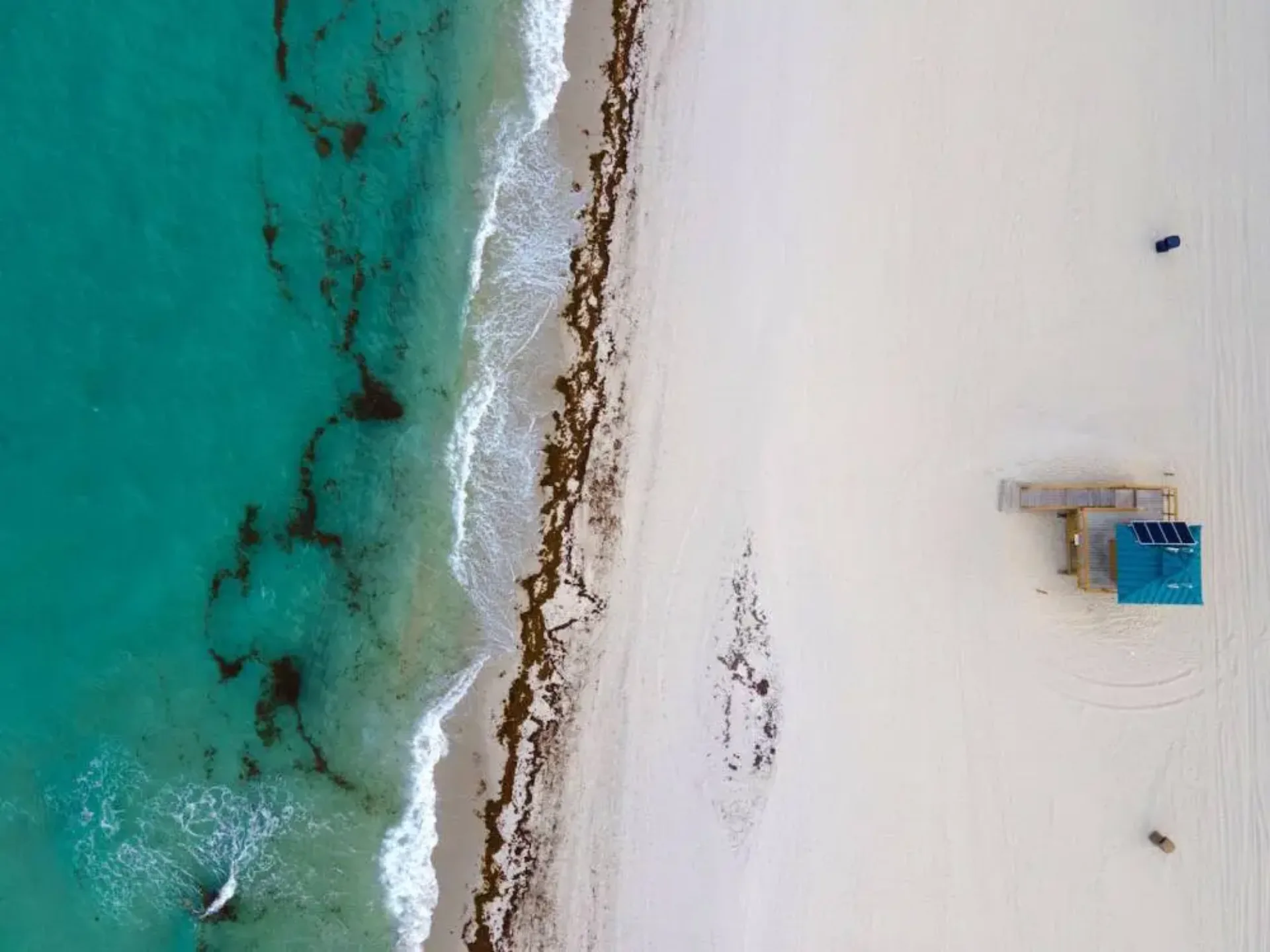
Safety First: Understanding the Potential Dangers at Miami Beaches
Miami beaches can be enjoyable but require awareness of several safety risks. Strong rip currents, marine life encounters, seasonal red tide events, and beach flag warnings all affect swimmer safety. Knowing ocean conditions, monitoring water quality updates, and choosing lifeguard-protected beaches significantly lowers the chance of accidents.
Miami is a paradise for sun and surf lovers, boasting some of the most beautiful beaches in the world. Yet, the allure of Miami’s azure waters can often veil the underlying dangers at Miami beaches that every newcomer should be aware of. Whether you are planning to relocate with the help of moving companies in Florida or just visiting for a few days, safety should always come first. The vibrancy of the beaches is matched by the vitality of its waves and marine life, both presenting unique safety concerns. This article aims to equip you with the necessary information about these potential hazards. Moreover, it offers practical advice on how to keep you and your family safe while enjoying the idyllic Miami beaches.
Understanding the Ocean Conditions
Visiting the beach is one of the essential things to do after moving to Miami. However, understanding the specific conditions of the ocean is essential. The ocean is not just a larger version of your swimming pool; it is a dynamic, ever-changing environment that can surprise even the most experienced swimmers. This section will provide a comprehensive overview of the key differences between ocean and pool swimming, the importance of knowing your swimming abilities, and how tides can significantly impact your beach experience.

The Ocean vs. The Pool: A Different Ball Game
Swimming in one of Miami’s pools is predictable; the water is calm, the bottom is visible, and the depth is known. But the ocean is an entirely different setting. Its currents, tides, and marine life add a level of unpredictability that demands respect and understanding. Even the salinity of the sea can affect your buoyancy. The ocean’s vastness can also disorient swimmers, making it easy to lose sight of the shore. Therefore, taking a cautious approach and familiarizing yourself with ocean swimming is vital for your safety.
Knowing Your Swimming Abilities
While you might be a confident swimmer in a pool, the ocean presents a unique set of challenges unless you are a professional swimmer moving to Miami. Waves, currents, and the occasional surprise from marine life require additional stamina and skills. It’s crucial to be honest about your swimming abilities and those of your family members, particularly children. Start slow, stay close to the shore, and gradually explore deeper waters as your confidence and understanding of the ocean increase. Remember, overestimating your abilities could lead to dangerous situations.
Tides: Nature’s Swim Schedule
A day at the beach isn’t complete without understanding the impact of tides. During low tide, the water is shallower, and you can often walk out to sandbars. However, when the tide comes in, these same areas could require swimming to reach the shore. Recognizing these patterns allows for safer swimming and an overall more enjoyable beach experience. The local tide is one of the main dangers at Miami beaches, and the charts can usually be found online or at local beach entrances, helping you plan your swim accordingly.
Understanding and Dealing with Rip Currents
In the ocean’s vast expanse, rip currents stand as one of the most significant dangers at Miami beaches, demanding respect from even the most seasoned swimmers. Much like the experienced moving companies in Miami Dade understand the intricate layers of the land, it’s crucial for beachgoers to comprehend the nature of these powerful, fast-moving channels of water. Known as the silent troublemakers of Miami’s beaches, rip currents are a leading cause of rescues and accidents. By gaining knowledge about rip currents, their frequency, and the appropriate response when caught in one, your beach experience can be both enjoyable and safe.
Identifying Rip Currents
Rip currents are narrow, fast-moving channels of water that flow away from the shore, often visible as a turbulent pathway amongst calmer surrounding waters. Unlike regular waves that crash towards the beach, rip currents can quickly pull swimmers away from the shore. Understanding this natural phenomenon is the first step towards safer ocean swimming.
The Reality of Rip Current Incidents
Rip currents are more common than most beach-goers realize. They are responsible for over 100 drownings annually in the U.S., and account for more than 80% of beach water rescues. The deceptive strength and speed of rip currents can catch even seasoned swimmers off guard, underscoring the importance of constant vigilance in the ocean.
Surviving a Rip Current
If you find yourself caught in a rip current, the key is to remain calm. Contrary to instincts, don’t try to swim directly against the current towards the shore. Instead, swim parallel to the shore until you’re out of the rip current, and then swim back to the beach. If you can’t escape, float or tread water while signaling for help. These simple strategies can save your life in the face of a rip current.
Marine Life Dangers and How to Handle Them
While the ocean hosts a dazzling array of beautiful creatures, it’s essential to remember that not all marine life is harmless. Much like ensuring the safety of your belongings in storage units in Miami, understanding potential dangers at Miami beaches that come from marine life contributes to a secure beach experience. From the infamous sharks to the less notorious but more common, man-o-wars, and stingrays, being informed about these ocean inhabitants can significantly improve your safety while swimming.
Common Marine Life Hazards
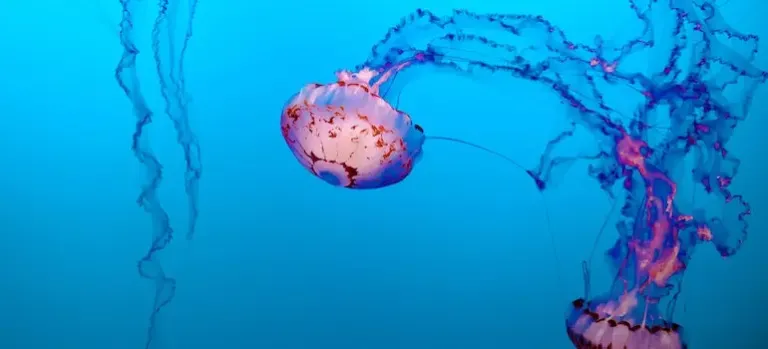
The underwater world is teeming with life, some of which can pose threats to unsuspecting swimmers. Jellyfish, with their tentacles carrying stinging cells, can cause anything from mild irritation to severe pain. Similarly, man-o-wars, often mistaken for jellyfish, can deliver a painful sting that causes welts on the skin. Stingrays, usually buried in the sand in shallow water, can inflict a painful and venomous stab if accidentally stepped on. Although shark attacks are rare, the prospect can cause fear in beachgoers. Awareness of these creatures, their habits, and their habitats is a crucial step in maintaining your safety and avoiding potential dangers at Miami beaches.
When Encountering Marine Life
If you encounter any of these marine creatures, it’s essential not to panic. For jellyfish and man-o-war stings, remove any tentacles with a plastic card, rinse the area with seawater, and then apply heat. For stingray injuries, seek immediate medical attention; while waiting, clean the wound with warm water to help neutralize the venom. In the rare event of a shark sighting, stay calm, maintain a vertical position, and slowly back away without turning your back. Reach out to local movers in Florida for local insight on safer areas to swim. Reporting all marine life encounters to lifeguards can help them alert other beachgoers, contributing to everyone’s safety.
The Role of Lifeguards and the Beach Warning Flag System
Just like relying on professionals for tasks like moving to Florida, leaning on the expertise of lifeguards can significantly enhance your safety at the beach. Lifeguards are not only there to respond to emergencies; they are also an invaluable source of information about current beach conditions. Moreover, Florida’s beach warning flag system provides a clear visual guide for beachgoers to gauge safety levels at a glance. In this section, we’ll delve into the importance of swimming in lifeguard-protected areas and explain the beach warning flag system.