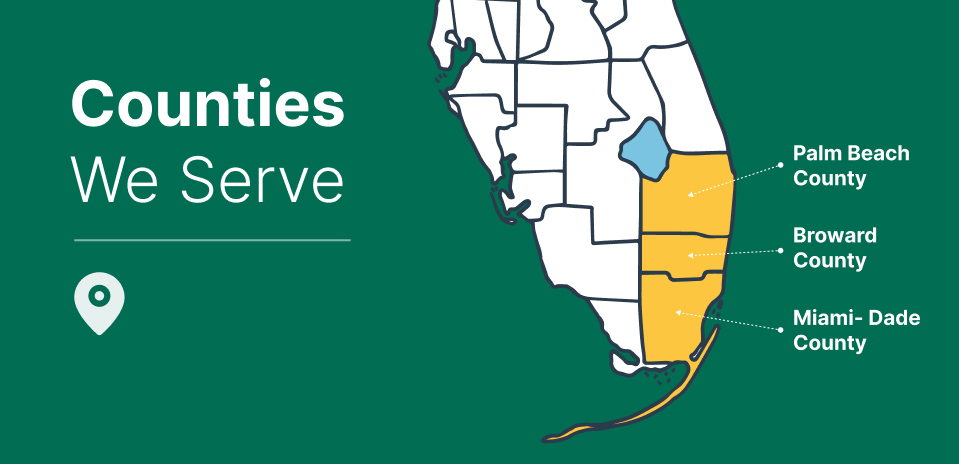
Moving from Pompano Beach to Miami Beach is a short move on the map, but a big shift in lifestyle. The drive is about 36 miles. Average transit time runs 45 to 70 minutes, depending on traffic. Miami Beach has over 82,000 residents packed into just 7.1 square miles. Pompano Beach spreads its 113,000 residents across nearly four times the space. That density changes everything. Housing costs jump fast. Median rents in Miami Beach sit around 30 to 40 percent higher. Tourism adds pressure too. Miami Beach welcomes more than 20 million visitors a year. Many moving companies in Florida see this route spike year-round. Moving from Pompano Beach to Miami Beach means tighter streets, stricter parking rules, and faster-paced city living.
Real Estate Differences When Moving From Pompano Beach To Miami Beach
When people start moving from Pompano Beach to Miami Beach, real estate is usually the first real shock. Pompano Beach still offers space and flexibility. Median home prices sit around $350,000 to $365,000, and average rents land between $2,200 and $2,400. Inventory moves at a steady pace, which gives buyers time to compare options and negotiate.
Housing costs rise sharply when moving from Pompano Beach to Miami Beach, with tighter inventory, higher condo density, and faster-moving waterfront properties shaping the market shift
Miami Beach works on a completely different rhythm. Prices jump fast because land is limited and demand never really slows down. Median home values now range from $740,000 to $780,000, while average rents climb to $5,500 to $6,000. Condos dominate most neighborhoods, and waterfront units often move within weeks. As a result, movers in Pompano Beach are seeing buyers plan further ahead, lock housing earlier, and reset expectations before heading south.
How The Market Shifts Once You Cross Into Miami Beach
The contrast becomes obvious once you put the numbers side by side.
Pompano Beach median home price: $350,000–$365,000
Pompano Beach average rent: $2,200–$2,400 per month
Miami Beach median home price: $740,000–$780,000
Miami Beach average rent: $5,500–$6,000 per month
Miami Beach housing makeup: 70%+ condos
Typical Miami Beach days on market: 30–45 days
Miami Beach population density: 11,000+ people per square mile
Living Costs In Miami Beach Vs. Pompano Beach
Living costs shift quickly when moving from Pompano Beach to Miami Beach. Pompano Beach stays more predictable. Overall living expenses run about 15–20% lower. Median rent averages $2,200–$2,400, utilities land near $180–$220 per month, and groceries track close to the national average. Miami Beach sits at the opposite end. Total living costs jump 35–45% higher than in Pompano Beach. Rents alone often reach $5,500–$6,000, while utilities climb to $230–$280, driven by building density and cooling demands. Parking, insurance, and HOA fees add pressure. Movers in Miami Beach say most newcomers underestimate how fast recurring monthly costs stack up once they arrive.
What Changes First After The Move
The biggest differences show up in everyday expenses, not just rent.
Average rent increase: $3,000+ per month
Condo HOA fees in Miami Beach: $600–$1,200 monthly
Parking costs in Miami Beach: $150–$300 per vehicle
Grocery costs: 10–15% higher in Miami Beach
Insurance premiums: Higher due to coastal exposure
Dining and entertainment: 20–30% higher on average
Everyday expenses rise fast, with housing, utilities, parking, and HOA fees driving most of the cost difference between the two cities
Employment Possibilities In Miami Beach
Employment in Miami Beach is shaped by constant demand and a year-round visitor economy. Moving companies in Miami Dade County say the tourism drives a large share of local jobs, but it is not the only option. Hospitality alone supports tens of thousands of positions across hotels, restaurants, and nightlife venues. Healthcare, real estate, and professional services also play a growing role. Unemployment in the Miami Beach area stays near 2.5–3%, which is lower than the national average. Many residents work hybrid schedules or commute to downtown Miami, Brickell, and Wynwood, where higher-paying corporate roles are concentrated. For people moving from Pompano Beach to Miami Beach, job access expands, but competition increases as well.
Industries That Drive Local Hiring
These sectors account for most employment opportunities in the city.
Hospitality and tourism: Over 35% of local jobs
Food service and nightlife: Thousands of seasonal and full-time roles
Healthcare and wellness services: Clinics, private practices, rehab centers
Real estate and property management: High turnover and ongoing demand
Retail and luxury services: Fashion, design, and personal services
Income Expectations And Pay Ranges
Pay varies widely depending on role and location.
Hospitality wages: $16–$25 per hour
Healthcare support roles: $45,000–$75,000 annually
Real estate professionals: Commission-based, often $80,000+
Corporate roles via Miami commute: $70,000–$120,000+
Neighborhood Choices In Miami Beach
When moving to Miami Beach, neighborhood selection matters as much as budget. Each area offers a different balance of cost, pace, and access. Some neighborhoods favor walkability and nightlife. Others focus on residential living and long-term comfort. This choice affects rent, parking, noise levels, and even building rules. Broward County movers often see people underestimate how different Miami Beach neighborhoods feel from one another, even though they sit only minutes apart.
Miami Beach is a bicycle and pedestrian-friendly city.
Popular Neighborhoods And What To Expect
Below is a practical snapshot of the most common areas newcomers consider.
South Beach: High-energy area with dense condo buildings, strong nightlife, limited parking, and higher rents
Mid-Beach: Quieter feel with newer high-rises, beachfront access, higher HOA fees, and larger units
North Beach: More residential, lower rents, smaller buildings, better parking availability, and local shops
Flamingo/Lummus Area: Central location, walkable streets, older buildings, and mixed price points
Normandy Isles: Suburban layout, canal-front homes, calmer streets, and easier daily living
What To Lock In Before Moving From Pompano Beach To Miami Beach
Moving from Pompano Beach to Miami Beach demands precision, more than flexibility. Housing should be settled first, not after arrival. Condo rules, HOA fees, parking limits, and insurance requirements can change your monthly costs by thousands. Budget for utilities that run higher year-round and for limited storage space. Visit the building and the block during peak hours, not just midday. Traffic, noise, and delivery access matter. Short distance does not reduce complexity. The people who have the smoothest transitions treat this move as a market shift, not a casual relocation, and plan every detail before the truck is booked.
Students arrive in Miami every year to attend universities across Coral Gables, Downtown, and surrounding neighborhoods. The city offers strong academic programs, international culture, ...
Relocating to South Florida means adjusting to constant sun, high humidity, and sudden tropical storms. Smart planning makes packing for Miami's year-round sunshine far ...