

Moving From Canada To South Florida
Moving from Canada to South Florida involves securing legal status, clearing customs requirements, adjusting to higher insurance and healthcare costs, and meeting strict housing approval standards
Moving from Canada to South Florida brings new opportunities, but it requires precise planning to avoid costly mistakes. Our movers in Miami remind you that the process goes smoothly only when legal, financial, and housing steps are handled early and correctly. Small oversights at the beginning often turn into delays later in the move. Families who prepare documents, budgets, and timelines in advance usually settle faster and avoid disruptions during relocation. The difference between a smooth move and a stressful one often comes down to understanding the real requirements before crossing the border.
Immigration Status And Legal Stay Requirements
Immigration rules define how long you can stay and what you can legally do once you arrive. We recommend confirming your visa type before planning the move timeline because Canadians entering under B1/B2 status are typically limited to six months per year. If this is misunderstood, you risk overstaying and facing entry bans or complications at future border crossings. Our long distance movers in Florida say many clients assume Canadian citizenship allows flexible long-term stays, but it does not provide residency or work authorization.

Work visas such as TN, L-1, or E-2 investor visas each have strict eligibility requirements and timelines that must be approved before relocation. Snowbirds usually rotate stays to remain compliant, while permanent moves require legal residency pathways. Last season in Fort Lauderdale, a family stayed beyond the allowed period by three weeks. They were flagged at re-entry, which delayed their next move by several hours and required additional screening at the border.
Visa Types, Stay Limits, And Entry Rules Explained
Legal entry into the U.S. depends on the correct visa category and clear compliance with stay limits.
- Canadians can stay up to 180 days per visit under B1/B2 status.
- B1/B2 status does not allow employment or long-term residency.
- TN visas require a job offer in a qualifying professional field.
- L-1 visas require a valid transfer within the same company structure.
- E-2 visas require a substantial business investment in the United States.
Customs, Duties, And What You Can Bring Across The Border
Crossing the border with household goods requires strict documentation and compliance with U.S. Customs and Border Protection rules. We recommend preparing a detailed inventory list of all items being transported because officers use it to verify duty-free eligibility. Missing or vague inventories can result in inspections that delay trucks for hours at entry points. You can typically bring used household goods duty-free, but new items, alcohol above personal limits, and certain agricultural products may be taxed or restricted. We are in contact with many other reputable interstate moving companies in Miami, and all of them agree that incomplete paperwork is one of the most common causes of border delays.
Vehicles must meet U.S. safety and emissions standards, and you need proper import documentation before arrival. If vehicle paperwork is incomplete, the car can be denied entry and sent back across the border. Food items, plants, and untreated wood furniture often trigger inspections due to agricultural restrictions. In one case near the Miami port of entry, a shipment was held for six hours because the inventory did not list several boxed kitchen items, which required manual inspection before clearance.
Required Border Documentation And Inventory Preparation
Border clearance depends on organized paperwork and accurate item declarations.
- You must prepare a detailed inventory list for all transported items.
- U.S. Customs requires Form 3299 for household goods import.
- You can bring used household goods duty-free after one year of ownership.
- You must declare alcohol quantities and follow state-specific limits.
- You must provide EPA and DOT compliance for vehicle imports.

Cost Of Living Shift Between Canada And South Florida
The cost difference between Canada and South Florida is not always lower, and the gap depends on housing, insurance, and daily expenses. We recommend calculating a realistic monthly budget in USD and CAD before committing to the move because South Florida costs can exceed expectations. If you rely only on rent comparisons, you may underestimate total living expenses and face budget pressure within the first month. When moving from Canada to South Florida, people also need to decide between renting and buying early, since each option changes upfront costs, taxes, and long-term expenses.
Rent in Miami often ranges from $2,200 to $3,500 USD (≈ $3,000 to $4,800 CAD) for a one-bedroom, while Fort Lauderdale and West Palm Beach average slightly lower but still exceed $1,800 USD (≈ $2,450 CAD) in many areas. Property insurance in Florida is significantly higher due to hurricane risk, with annual premiums often ranging from $3,000 to $8,000 USD (≈ $4,100 to $11,000 CAD). Utilities also increase due to year-round air conditioning, with monthly electricity bills frequently reaching $150 to $300 USD (≈ $200 to $410 CAD). Healthcare adds another major cost difference since Canada’s public system does not apply in Florida. The absence of state income tax is a benefit, but higher insurance, rent, and service costs often offset that advantage.
Real Monthly Costs In South Florida
Living expenses in South Florida extend beyond rent and require a full monthly cost breakdown in both currencies.
- Rent ranges from $2,200 to $3,500 USD in Miami.
- Home insurance costs $3,000 to $8,000 USD per year.
- Electricity bills range from $150 to $300 USD monthly.
- Auto insurance costs $150 to $300 USD per month.
- Groceries cost $400 to $700 USD per month.
Healthcare And Insurance Setup In The U.S.
Healthcare in South Florida operates on a private system, and coverage must be arranged before arrival. We recommend securing a U.S. health insurance plan in advance because medical services without coverage are extremely expensive. If you arrive uninsured, even a minor emergency visit can cost over $1,000, while hospital stays can reach several thousand dollars within days. Our residential movers in Miami suggest finalizing insurance during the moving planning phase so there are no coverage gaps upon arrival. Monthly premiums typically range from $300 to $800 per person, depending on age, coverage level, and provider network.
Travel insurance can cover short-term stays, but long-term residents need full health plans that meet U.S. requirements. Prescription costs, doctor visits, and emergency care are all billed separately, unlike in Canada’s system. Families who delay insurance setup often face immediate out-of-pocket expenses during their first weeks in Florida, especially when dealing with unexpected medical needs.
Health Insurance Options And Medical Costs Breakdown
Healthcare planning requires understanding insurance plans and out-of-pocket expenses.
- Health insurance plans cost $300 to $800 USD per month.
- Emergency room visits cost $1,000 to $3,000 without insurance.
- Doctor visits cost $100 to $250 without insurance.
- Specialists often charge over $300 per visit.
- Patients must meet deductibles before full coverage applies.
Housing, Documentation, And Rental Approval Barriers
Securing housing in South Florida requires more documentation than many Canadians expect. We recommend preparing financial records, proof of income, and bank statements before applying for rentals because U.S. landlords rely heavily on credit history. If you do not have a U.S. credit score, landlords may request larger upfront payments, often ranging from three to six months of rent. Lease approvals in condo buildings can take two to four weeks due to HOA screening processes.
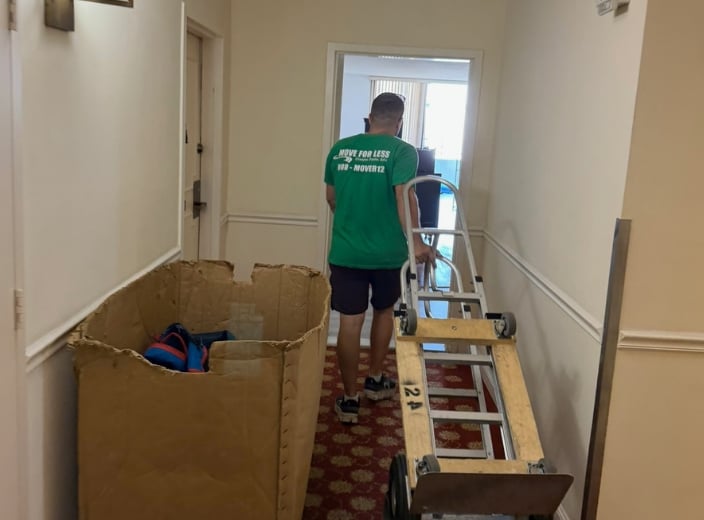
If you do not account for this timeline, you may need temporary housing, which adds extra costs during the move. Many buildings also require background checks, application fees, and interviews before approval. Last month in West Palm Beach, a family submitted incomplete financial documents during a condo application. The approval process was delayed by nine days, which forced them to extend their temporary stay and increased housing costs by over $1,200.
Rental Requirements, Deposits, And Approval Timelines
Housing approval in South Florida depends on documentation, financial proof, and building regulations.
- Landlords require income equal to 2.5 to 3 times the rent.
- Applicants without credit must pay up to six months upfront.
- Condo associations require applications and background checks.
- Approval processes take 14 to 30 days in many buildings.
- Lease agreements include strict rules and potential penalties.
Final Thoughts On Moving From Canada To South Florida
Moving from Canada to South Florida requires clear planning across immigration, finances, and housing. Small mistakes in documentation or timing often lead to delays, added costs, or denied approvals. We see successful moves happen when clients prepare legal status, budget realistically, and secure housing before arrival. Each step connects directly to the next, and missing one detail can disrupt the entire process. A structured approach keeps the move efficient and predictable, allowing families to settle in faster and avoid unnecessary complications.