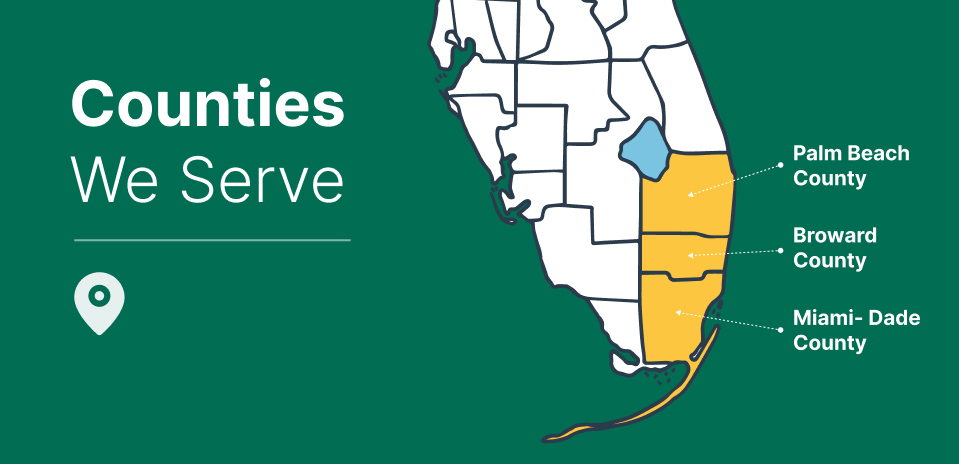
Among the most beautiful places to live in the United States, Florida is ranked pretty high. There are lots of reasons for this, but the most important ones are the weather and the tons of activities you can do while the sun is high in the sky. Numerous beaches and awesome parks with fantastic green areas are just some of the things you can find here. And even though there are many places you can choose for your home in Florida, Broward County is the first choice for over 2 million residents. So these are the places to check out if planning to move to Broward County with one of the best moving companies Miami has.
Things You Need to Know About Broward County Before Moving
Life in Broward County feels energetic and easy to enjoy, thanks to its mix of beaches, events, restaurants, and cultural attractions. It remains one of the most popular counties in Florida, and its growth continues year after year. Hollywood, Fort Lauderdale, and Boca Raton are among the most known areas, but there are many other places to check out if planning to move to Broward County. Broward County movers say the region attracts new residents because it offers variety, coastal access, and a strong job market.
Housing costs matter to anyone planning a move, and today’s numbers paint a clear picture. The median home price in Broward County sits around $400,000, which is higher than the national median but in line with South Florida trends. The median rent for a typical apartment or home ranges between $2,200 and $2,600, depending on the neighborhood and size. About 63% of residents own their homes, while roughly 35% rent, which shows that long-term ownership remains a strong option here. If you have the opportunity to invest in a home, many newcomers find it more practical than renting for several years.
Florida has some of the best places to live in
Places to Check Out If Planning to Move to Broward County
Broward County gives you a wide range of neighborhoods, each offering its own pace, style, and atmosphere. If you’re comparing places to check out if planning to move to Broward County, this list helps you focus on the cities that residents choose most for comfort, safety, and everyday convenience.
Coral Springs
Coconut Creek
Pompano Beach
Pembroke Pines
Hollywood
Weston
Davie
Fort Lauderdale
Plantation
Coral Springs
Coral Springs gives newcomers a calm and structured place to live. People planning to move to Coral Springs notice the clean streets right away. The city grew from farmland in the 1960s after developers created a strict master plan. That plan shaped the look of the neighborhoods and kept the city organized for decades. Coral Springs has more than 134,000 residents today, and growth remains steady. Homes cost more here than in many nearby cities. The median home price sits near $530,000. Rent usually falls between $2,400 and $3,000 depending on the size of the unit.
Parks play a big role in daily life. The city runs more than 50 parks, including Betti Stradling Park and Cypress Park. The Sportsplex stands out with its aquatic center once used by Olympic athletes. Local landmarks add character. The Covered Bridge, built in 1964, was the first permanent structure in the city. Many residents consider it a symbol of Coral Springs’ careful planning and steady community vibe. The city stays quiet, clean, and well maintained, which is why so many people choose it when they want peaceful living without leaving South Florida behind.
Check out the places that are suitable for the whole family
Coconut Creek
Coconut Creek feels calm, green, and easy to adjust to. Many newcomers choose it for the steady pace and clean layout, and local movers in Florida recommend Coconut Creek to people who want a quieter Broward County community. People who plan to move to Coconut Creek often notice how different it looks from other South Florida cities. Trees line the streets. Lakes separate the neighborhoods. The city earned the nickname “The Butterfly Capital of the World” because Butterfly World opened here in 1988 and became one of the largest butterfly aviaries anywhere. The city has about 57,000 residents, and the population grows a little each year. Homes stay more affordable compared to many nearby cities. The median home price sits near $400,000. Rent usually falls between $2,000 and $2,500, depending on size and location. Coconut Creek invests heavily in parks and environmental planning.
The city includes more than 10 square miles of planned communities, green space, and quiet walking paths. Residents often spend time at Sabal Pines Park, Windmill Park, and the Promenade outdoor mall. The city’s history is young. Coconut Creek became official in 1967 after separating from Pompano Beach. Early planners pushed for strict environmental rules, which shaped its clean and organized look. Locals still mention the early days when coconut trees, wide lawns, and peaceful blocks defined the area. Today, Coconut Creek remains one of Broward County’s most relaxed cities. It offers steady growth, clean surroundings, and a suburban atmosphere that appeals to people who want calm living with easy access to the rest of South Florida.
Pompano Beach
Pompano Beach gives newcomers a bright coastal atmosphere with a mix of classic Florida charm and steady new development. Many movers in Pompano Beach FL recommend this city to people who want beach access without the heavy crowds found in some other South Florida hotspots. People planning to move to Pompano Beach often point out the newly redeveloped beachfront, the wide fishing pier, and the clean, walkable areas along the ocean. The city blends older neighborhoods with modern condos, which gives it a lived-in, local feel. More than 112,000 residents live here, and the population keeps rising as more people choose Broward County for long-term living. Housing costs stay competitive for a coastal city. The median home price sits near $430,000. Rent usually ranges from $2,200 to $2,800, depending on proximity to the beach. The city invests heavily in redevelopment, especially around Atlantic Boulevard and the waterfront.
History runs deep here. Pompano Beach dates back to the early 1900s when it grew around the Florida East Coast Railway. Early fishermen told stories about waters so clear you could see schools of pompano from the shore, which helped give the city its name. Locals still enjoy the fishing tradition today at the pier, the marina, and the offshore reefs. The area also hosts yearly festivals, seafood events, and cultural gatherings that bring neighborhoods together. Pompano Beach keeps its coastal identity while adding modern touches. It offers a slower pace than Miami, quick access to major highways, and year-round sun. It remains one of the most appealing options for people who want a beach lifestyle without leaving Broward County behind.
Pembroke Pines
Pembroke Pines offers a calm, suburban lifestyle with strong schools and steady growth. Many movers in Pembroke Pines are seeing more families and professionals choose this city because it feels safe, organized, and easy to navigate. People who plan to move to Pembroke Pines often say the neighborhoods feel well maintained and connected. Streets stay clean. Traffic flows better than in many other South Florida cities. Community parks sit close to most residential areas, which makes daily life feel simple and comfortable. The city has more than 170,000 residents, making it one of the largest cities in Broward County. Growth remains strong because the housing market stays competitive without reaching Miami-level prices. The median home price sits near $520,000. Rent usually falls between $2,300 and $2,900, depending on the size and location. Many neighborhoods offer gated communities, wide streets, and newer developments built after the early 1990s housing boom.
Pembroke Pines has a solid history of planned expansion. The city expanded westward over former farmland and wetlands, creating organized residential communities with strong zoning rules. Locals still talk about the “Pines Miracle Mile,” a commercial corridor that transformed the area with shops, restaurants, and public art. The city now features top-rated schools, quiet lakes, and popular spots like C.B. Smith Park, which draws residents for concerts, water activities, and weekend gatherings. Pembroke Pines stays steady, clean, and welcoming. It offers a family-friendly feel, strong public services, and easy access to Miami and Fort Lauderdale. It remains one of Broward County’s most reliable choices for people who want comfort without giving up convenience.
Find out why people love coming to Pembroke Pines
Hollywood
Hollywood gives newcomers a mix of beach life, walkable neighborhoods, and steady South Florida energy. Many movers in Hollywood FL say the city attracts people who want a relaxed coastal setting without leaving urban convenience behind. People planning to move to Hollywood FL often mention the Broadwalk first. It stretches nearly 2.5 miles along the ocean and stays busy with joggers, cyclists, and families all year. The beach feels cleaner and calmer than many other nearby coastal areas, which makes it a major draw. More than 153,000 residents live in Hollywood today, and the population keeps rising at a slow but steady pace. The housing market reflects strong demand. The median home price sits close to $500,000. Rent usually ranges between $2,200 and $3,100, depending on the neighborhood and distance to the beach. East Hollywood sees higher prices, while western areas offer more suburban layouts and newer styles of homes.
History shapes the city’s identity. Hollywood was founded in the 1920s by developer Joseph Young, who dreamed of a “City Beautiful” filled with parks, lakes, and planned boulevards. After a powerful hurricane in 1926, Hollywood rebuilt quickly and became known for resilience and strong community roots. Local stories still mention early resorts, classic motels, and the old Hollywood Beach Casino, which once stood as a social hub for visitors and residents. Today the city blends old Florida charm with modern redevelopment. Downtown Hollywood continues to grow with art galleries, murals, cafés, and nightlife spots that keep the area lively. The city also hosts events like the Sun & Sand Festival and music nights at Young Circle. Hollywood remains one of Broward County’s most balanced cities. It offers beach access, walkability, historic character, and everyday convenience for anyone looking for a coastal home that feels lived in and real.
Weston
Weston offers one of the quietest and most polished environments in Broward County. Many Weston movers recommend this city to people who want safety, structure, and strong community planning. People who plan to move to Weston usually notice the clean landscaping, wide streets, and well-kept lakes that run through many neighborhoods. The entire city feels organized because Weston was master-planned from the start, and that planning still shapes daily life. Weston has around 68,000 residents, and the population stays stable because the city limits leave little room for new large developments. The housing market reflects steady demand. The median home price sits near $800,000, making Weston one of the most expensive places in Broward County. Rent usually ranges between $3,000 and $3,800, depending on the neighborhood and home size. People pay a premium here because Weston offers top-rated schools, low crime rates, and a peaceful feel that stays consistent year-round.
The city’s history is fairly recent. Development began in the 1980s on land that once belonged to the Everglades’ edge. Early residents often talk about the days when Weston felt like a small, remote community separated from the rest of Broward County. That changed as more families moved west, and Weston grew into a polished suburban hub with parks, golf courses, and planned shopping areas. Weston Town Center became a central gathering spot with restaurants, shops, and events that bring residents together. Weston keeps a calm rhythm that appeals to families, remote workers, and anyone who wants quiet living with strong services. It stays clean, predictable, and well-managed. The city offers a slower pace than most of South Florida, but it remains close enough to highways, airports, and major job centers to make commuting simple.
Davie
Davie mixes suburban comfort with a rural twist that stands out in Broward County. Many moving companies in Davie FL say newcomers choose this town because it feels open, quiet, and true to its western roots. People who plan to move to Davie often notice the horse trails, wide streets, and ranch-style homes that still define the community. Davie protects that atmosphere through careful zoning, which keeps the area peaceful and different from the standard South Florida suburb. It remains one of the most interesting places to check out if planning to move to Broward County because it offers a lifestyle you won’t find elsewhere in the county. More than 110,000 residents live in Davie today, and the population keeps rising as more people look for space and strong public services. Housing stays competitive but not as expensive as cities closer to the coast. The median home price sits around $600,000.
Rent usually ranges between $2,500 and $3,200, depending on the neighborhood and home size. Davie offers a mix of single-family homes, townhouses, and larger properties with land, which appeals to people who want room to breathe while still staying close to Miami and Fort Lauderdale. Davie has a long local history. It began as a farming community in the early 1900s and later became known for its equestrian culture. Many longtime residents share stories about the early rodeos, large open fields, and the small-town feel that shaped the town’s identity. The Bergeron Rodeo Grounds remain an iconic landmark and still host events that keep Davie’s western spirit alive. The town also includes major attractions like Tree Tops Park, Flamingo Gardens, and the campuses of Nova Southeastern University, which draw students and professionals from across the region.
Watch the beautiful sunsets in one of the best places to check out f planning to move to Broward County
Fort Lauderdale
Fort Lauderdale offers a busy coastal lifestyle with beaches, nightlife, and steady growth. Movers in Fort Lauderdale say the city attracts newcomers who want energy, walkability, and strong access to jobs. People planning to move to Fort Lauderdale often notice the waterfront neighborhoods first. Canals cut through much of the city, giving it the nickname “The Venice of America.” Boats, marinas, and waterfront homes shape everyday life here. More than 185,000 residents live in Fort Lauderdale, and the population keeps climbing as more people choose urban coastal living. Housing runs higher than many nearby cities. The median home price sits around $600,000. Rent usually ranges between $2,600 and $3,400, depending on the building, the view, and the distance to the beach.
Downtown and Las Olas Boulevard remain the most in-demand areas, especially for young professionals and people who want condo living close to restaurants and nightlife. The city has a deep history. Fort Lauderdale grew in the early 1900s around the New River and later expanded after World War II. Some locals still talk about old spring break legends before the city shifted toward luxury development, arts, and major events. The Las Olas Marina, Riverwalk, and the growing arts scene around FATVillage now shape the modern identity of the city. Fort Lauderdale Beach, Hugh Taylor Birch State Park, and the bustling port area bring in tourists, but the city remains comfortable for full-time residents.
Plantation
Plantation gives newcomers a calm, leafy environment with steady growth and well-planned neighborhoods. Many movers in Plantation FL have seen more families and professionals choose this city because it feels peaceful without losing access to major South Florida hubs. People who plan to move to Plantation often point out the tree-lined streets, wide sidewalks, and the suburban layout that makes daily life simple. The city feels quieter than nearby Fort Lauderdale, but it still sits close to highways, shopping areas, and large parks. Plantation has more than 95,000 residents, and the population continues to grow at a steady pace. Housing prices stay competitive for the region. The median home price sits around $520,000.
In Plantation, you will find tons of bars and restaurants where you can have your morning coffee
Rent usually ranges from $2,300 to $3,000. Many communities feature single-family homes, golf-course neighborhoods, and older shaded blocks that keep the area charming. Plantation also offers strong public services and well-maintained parks, which help attract long-term residents. The city has a long local story. Plantation was incorporated in 1953 on land once used for rice and sugarcane farming. Early residents still talk about the city’s strict landscaping rules and how those rules shaped the green, organized look that Plantation is known for today. Central Park, Plantation Woods, and the Plantation Preserve Golf Course remain popular spots for locals who want quiet outdoor time.
Why These Are the Top Places to Check Out If Planning to Move to Broward County
Broward County offers a wide mix of communities, each with its own rhythm and personality. Exploring the many places to check out if planning to move to Broward County helps you understand how different the cities can feel. Some areas give you beach life, while others offer calm suburbs, parks, or strong school districts. Costs vary, but the region stays steady, modern, and full of opportunities for newcomers. Once you compare these places side by side, you can pick the one that fits your lifestyle, budget, and long-term plans. Broward County gives you options, and taking the time to see them makes your move easier and more confident.
Students arrive in Miami every year to attend universities across Coral Gables, Downtown, and surrounding neighborhoods. The city offers strong academic programs, international culture, ...
Relocating to South Florida means adjusting to constant sun, high humidity, and sudden tropical storms. Smart planning makes packing for Miami's year-round sunshine far ...