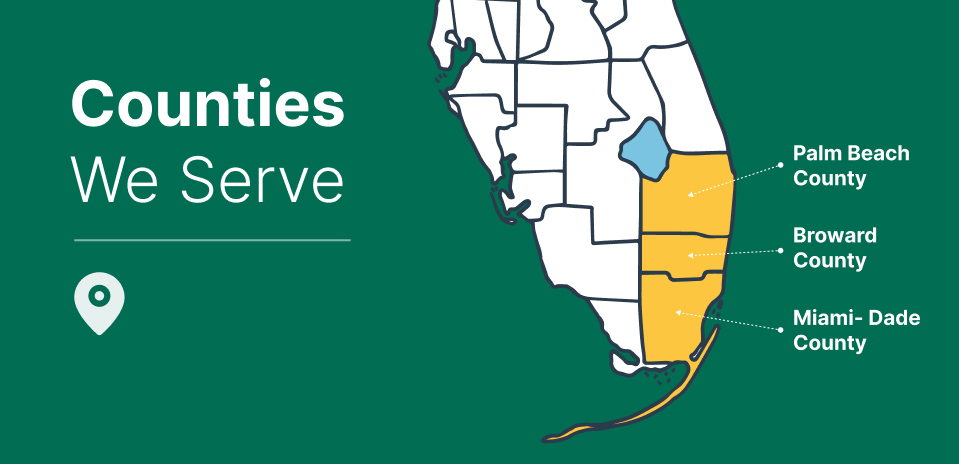
When it comes to Miami vs Coral Springs, the cost of living tells two very different stories. Miami thrives on energy, nightlife, and luxury, while Coral Springs leans toward calm neighborhoods and family-focused living. On average, housing in Coral Springs is about 25% cheaper, and everyday expenses like groceries and dining tend to stretch further. Miami, however, offers higher earning potential and a more diverse job market. Still, that paycheck goes fast when rent for a one-bedroom downtown averages around $2,900. Coral Springs keeps things moderate, with prices hovering closer to $2,100. Even transportation costs differ—Miami’s heavy traffic and tolls add up, while Coral Springs residents save on shorter commutes. Miami moving and storage companies often help people navigate between these lifestyles, balancing cost with quality of life in South Florida’s two distinct cities.
What You Need to Consider When Comparing the Costs of Living in Miami vs Coral Springs
First of all, you will need to know what your budget can handle. The best way to do this is to consult with your accountant. Together, you can form a moving budget and decide whether you have sufficient funds for buying a home or whether it would be best to rent one. They can also help you get a clear picture of how much money you will be able to spend monthly on specific living costs. That being said, it would also help if you were to put on paper how much money you are spending now on living costs.
When comparing the living costs in two cities, you need to consider things like real estate prices, utilities, transportation, healthcare, school tuition, food and groceries, moving costs, and other miscellaneous costs.
Factors you should compare
After you’ve done that, it’s time to compare the costs of living in Miami vs Coral Springs. But what exactly should you be looking at? There are numerous important things you need to take into consideration when relocating with the help of local movers Miami from one place to another. And that is the following:
Real estate prices
Utilities
Food and groceries
Transportation
Health
Your children’s needs
Other costs
Moving costs
Comparing the housing prices in Miami vs Coral Springs
Before you hire Coral Springs movers and start packing for your relocation, there is a more important thing you first need to do. In order to relocate smoothly, you will need to have a place to relocate to. That means you will have to secure a new home first. Now, the question is, what is the price difference between Miami and Coral Springs when it comes to real estate?
Miami median home price: around $369,100, noticeably higher than the national average of $244,900.
Miami rent: roughly $1,361 per month, with about 70% of residents choosing to rent.
Miami median household income: about $47,860, which keeps housing attainable but tight in pricier neighborhoods.
Coral Springs median home price: approximately $393,300, about 0.9% higher than in Miami.
Coral Springs rent: around $1,645, making it slightly more expensive to rent.
Coral Springs median household income: about $81,944, giving residents stronger buying power and explaining why many businesses use commercial movers Miami trusts to relocate there.
Being a homeowner in Coral Springs will cost more than having a house in Miami. But with large household incomes in Coral Springs, that shouldn’t be a problem.
What Are the Utility Costs in Miami vs Coral Springs?
Utility expenses stay fairly close between both cities, but Coral Springs comes out slightly higher overall. According to interstate moving companies in Miami, here’s what the 2025 numbers look like:
Miami
Basic utilities (electricity, heating/cooling, water, garbage) for a 915 sq ft apartment: about $165 per month.
Combined utilities including electricity, water, and gas: around $245 per month.
Overall, utilities are roughly 5% higher than the national average.
Coral Springs
Basic utilities for a similar 915 sq ft apartment: about $246 per month.
Average single-person bill (electricity, water, etc.): around $150 per month.
Local water rates in 2025 start at a $24 monthly minimum, with $4.61 per 1,000 gallons used.
Although the utility costs are higher in Coral Springs than in Miami, you can always lower them by choosing a more affordable cable or Internet provider.
How Do Transportation Costs Differ Between Miami and Coral Springs?
Transportation plays a major role in budgeting, especially for anyone relocating with long distance movers in Florida. Gas prices and commute distances can quickly influence monthly expenses, so understanding the local costs helps you plan smarter.
Miami
Public transportation pass: about $112 per month.
Average gas price in 2025: around $3.75 per gallon.
Daily commute time: roughly 32 minutes each way, one of the longest in South Florida.
Overall transportation costs are about 21% higher than the national average.
Coral Springs
Public transportation pass: about $105 per month, though many residents rely on cars.
Average gas price: around $3.60 per gallon.
Commute time: roughly 27 minutes each way.
Transportation costs are 6.9% lower than Miami’s, giving drivers and commuters a slight financial edge.
Transportation costs are going to take a significant chunk out of your budget, so it would be best to calculate whether it is more affordable to travel by your own car or to use public transport.
How Much Do Food and Groceries Cost in Miami vs Coral Springs?
Daily meals take a steady share of any household budget, and local movers in Florida say grocery prices are nearly neck and neck in both cities. Still, subtle differences add up over time.
Miami
Grocery costs are about 5% above the national average.
A basic lunch in a business district averages $18, while a three-course meal for two costs around $90.
A gallon of milk runs about $4.70, a loaf of bread $3.70, and a dozen eggs $4.10.
Coral Springs
Food prices are roughly 0.6% higher than Miami’s, staying close but slightly above.
A mid-range dinner for two costs around $85, and basic groceries are $1–2 more per trip than in Miami.
Cooking at home instead of eating out can save about $250–$300 per month for an average family.
Even though food and groceries are quite expensive in Miami vs Coral Springs, you can always opt for a home-cooked meal to reduce your living costs.
How Do Healthcare Costs Compare Between Miami and Coral Springs?
Healthcare is one of the biggest recurring expenses to plan for when moving, and residential movers in Miami often remind clients to research local hospitals and clinics early. Costs vary widely by service, but overall, Coral Springs offers more affordable care.
Miami
Healthcare costs are about 5% higher than the national average.
A standard doctor’s visit averages $130, while a dental checkup costs around $110.
Prescription medication tends to run 8–10% more than in Coral Springs.
Coral Springs
Healthcare expenses are roughly 4.6% lower than in Miami, easing long-term costs.
A typical doctor’s visit averages $120, and dental care is about $100.
Residents benefit from multiple neighborhood clinics and family practices that keep prices competitive.
How Much Does It Cost to Raise and Educate Children in Coral Springs vs Miami?
Families planning to relocate with Coral Springs movers often pay close attention to education and childcare costs, since they make up a large part of monthly expenses. Both cities offer excellent schools, but Coral Springs leans toward higher private tuition and extracurricular costs.
Coral Springs
Private school tuition averages $15,000–$30,000 per year, depending on the program.
Top-rated options include American Heritage Schools (Broward Campus) and Pine Crest School (Fort Lauderdale Campus).
Public schools rank among the best in Florida, with strong reputations at A.D. Henderson University School & FAU High School and The College Academy at Broward College.
Miami
Private schools typically cost $13,000–$25,000 per year, while public schools vary widely by district.
Families spend an extra $200–$400 monthly on extracurricular activities and tutoring, especially in competitive programs.
What About Other Living Costs in Miami and Coral Springs?
Everyday expenses go beyond rent and groceries, and Broward County movers say these lifestyle costs often surprise newcomers the most. They depend heavily on personal habits, entertainment choices, and how often you dine out or shop.
Miami
Gym membership averages $52 per month, while movie tickets cost about $15 each.
Dinner for two in a mid-range restaurant runs around $90, and weekend entertainment adds $200–$300 monthly for many households.
Shopping for clothing or personal care tends to be 10–15% higher than in Coral Springs due to brand availability and higher demand.
Coral Springs
Gym memberships are slightly cheaper at around $45 per month.
Dining out averages $75 for two, and family entertainment or hobbies cost roughly $150–$250 monthly.
The city offers many free parks and community programs, helping residents balance quality of life with manageable costs.
Don’t forget to calculate minor lifestyle costs like your monthly gym membership since they also influence your finances.
How Much Does It Cost to Move to Miami vs Coral Springs?
Relocation costs can differ between these two South Florida cities, and comparing the moving quotes Miami movers offer with Coral Springs rates gives a clearer picture. Factors like distance, season, and home size can shift prices, but here’s a general breakdown for 2025.
Miami
Local move: around $1,300–$2,700 for a two-bedroom home.
Long-distance move: typically $3,200–$6,500, depending on weight and mileage.
Packing materials: about $250–$450, with higher costs for condos or apartments requiring elevator access.
Storage units: range from $180–$300 per month, depending on size and location.
Moving in summer adds up to 20% more due to peak demand.
Coral Springs
Local move: averages $1,000–$2,400, since the area is less congested and easier to navigate.
Long-distance move: around $2,800–$6,000, with slightly lower labor costs than Miami.
Packing supplies: about $200–$350.
Storage fees: roughly $150–$250 per month, depending on facility amenities.
Moving off-season or midweek can save 10–15% on total costs.
Which City Truly Fits Your Budget: Miami or Coral Springs?
When you compare Miami vs Coral Springs, the difference comes down to priorities. Miami offers higher energy, career opportunities, and nightlife—but that lifestyle comes with steeper rent, pricier entertainment, and heavier traffic. Coral Springs delivers more space, calmer streets, and family-focused living, all at a lower overall cost. Before deciding, calculate your monthly expenses realistically, not just averages. Factor in commuting distance, home size, and how often you eat out or travel. Request detailed estimates from movers, including storage or packing add-ons, and always verify license numbers before booking. Small steps like negotiating internet rates, choosing energy-efficient appliances, or moving during off-peak seasons can save hundreds each year. The city you pick should match both your budget and the pace of life you want—not just the price tag.
Students arrive in Miami every year to attend universities across Coral Gables, Downtown, and surrounding neighborhoods. The city offers strong academic programs, international culture, ...
Relocating to South Florida means adjusting to constant sun, high humidity, and sudden tropical storms. Smart planning makes packing for Miami's year-round sunshine far ...