
Moving to Miami with a disability involves accessible housing, transportation planning, healthcare coordination, and emergency preparation. Daily living conditions vary by neighborhood, building design, service availability, and distance to medical care.
Moving to Miami with a disability takes planning, but the city can offer strong advantages. Accessible transit, large medical networks, and many newer residential buildings make daily life easier in the right area. Our movers in Miami say the smoothest relocations start with careful prep before move-in day. First, check building access, elevator size, parking, ramps, and bathroom layout. Next, choose a neighborhood that cuts down long commutes and makes errands simpler. It also helps to confirm nearby hospitals, pharmacies, and grocery delivery options before you arrive. Miami has many modern high-rise buildings, which often include step-free entry, elevators, and other features that older properties may lack. The goal is not only to complete the move but to create a setup that feels practical, safe, and comfortable every day.
Plan Ahead for Disability Services
Before moving, contact local providers and public agencies so support is ready when you arrive. Many services in Miami require advance paperwork, medical records, eligibility review, or scheduled intake appointments. That process can take days or even weeks. Start by confirming healthcare providers, home care options, therapy services, transportation assistance, and prescription transfer details. Ask what documents they need and whether they have waiting lists. It is also smart to check county disability programs, paratransit registration, and insurance network coverage before move-in day. Good planning reduces delays, prevents gaps in care, and makes the first weeks in your new home much easier and more stable.

Disability And Moving Services To Arrange Before The Move
Setting up the right services before moving day makes the transition easier and more organized. Some supports require paperwork, medical records, advance scheduling, or approval time. Because of that, it is smart to arrange both disability-related and moving-related services early so nothing important gets delayed.
- Primary care doctor and specialists
- Prescription transfers and pharmacy setup
- Physical therapy or occupational therapy
- In-home care or personal assistance
- Medical equipment delivery and setup
- Paratransit or accessible transportation
- Health insurance network verification
- Full packing and moving services in Miami
- Furniture disassembly and reassembly
- Special handling for medical equipment
- Move coordination with building management
- Short-term storage if needed
Choose The Right Miami Neighborhood
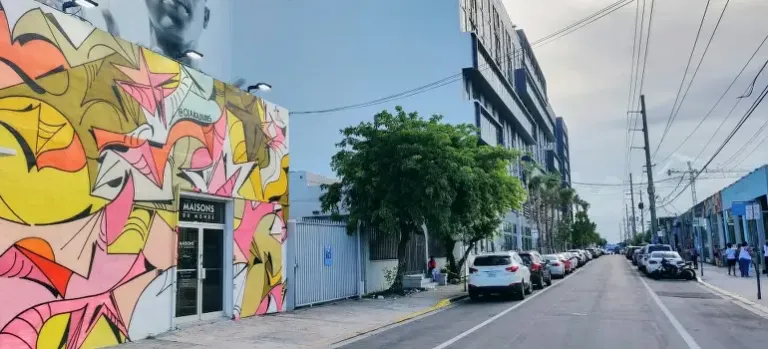
Moving to Miami with a disability often becomes easier or harder based on the neighborhood you choose. Our local movers in Miami say location affects daily comfort more than many people expect. Some areas offer newer buildings, better sidewalks, shorter drives to medical care, and easier access to grocery stores and pharmacies. Others may have older properties, limited parking, or streets that feel harder to navigate during busy hours. It is smart to look at more than rent or home price alone. Check how close you are to hospitals, specialists, public transit, and essential errands. A neighborhood that reduces travel time can lower stress every single week. That matters even more in a large, busy metro area like Miami.
Miami Neighborhood Features That Matter Most For Daily Accessibility
The right neighborhood can reduce travel stress, shorten routine trips, and make daily life more practical. When comparing areas, it helps to focus on nearby essentials, building patterns, and how much time common errands will actually take.
- Shorter trips to hospitals, urgent care, and specialists reduce weekly strain
- Newer Miami buildings often offer elevators, wider entry areas, and step-free access
- Dense urban areas usually provide more pharmacies, grocery stores, and delivery coverage
- Heavy traffic can turn a short-distance errand into a long trip during peak hours
- Sidewalk quality, curb cuts, and crosswalk design affect everyday mobility
- Parking availability varies widely by neighborhood and building type
Check Housing Accessibility Before Signing A Lease
Moving to Miami with a disability also means checking the home itself before you commit. Our long distance movers in Miami say many people assume a building is accessible simply because it looks modern from the outside. In reality, daily function depends on details inside the property. Measure doorways, hallways, and elevator space if mobility equipment is involved. Look at entry ramps, stair-free access, bathroom layout, shower design, kitchen clearance, and parking distance from the entrance. It is also worth confirming whether the building has reliable elevators and management that responds quickly to maintenance issues. A unit can look attractive online but still create daily problems after move-in day. Careful checks upfront can prevent expensive mistakes later.
Accessibility Features To Confirm Before You Sign A Lease
A unit can look fine in photos but still create daily obstacles after move-in day. Reviewing the most important access points before signing makes it easier to avoid expensive changes and stressful surprises later.
- Doorway width matters for wheelchairs, walkers, and larger mobility equipment
- Elevator dimensions affect move-in day and daily use in high-rise buildings
- Step-free entry is important at the main entrance, lobby, and unit doorway
- Bathroom layout often determines whether the space works long term
- Shower entry height and grab bar potential matter more than cosmetic finishes
- Kitchen clearance and turning space affect everyday comfort and safety
- Parking distance from the entrance can become a daily problem in larger complexes
Understand Transportation And Mobility Options
Moving to Miami with a disability requires a clear plan for getting around the city. Our residential movers in Miami say transportation problems can create daily frustration even when the home itself works well. Miami traffic is heavy in many areas, so travel distance matters. It is important to understand how often you will need medical appointments, errands, work trips, or social outings. Some residents rely on Miami-Dade Transit or paratransit services, while others need accessible ride share options or private vehicles. Parking access also matters, especially in dense neighborhoods and high-rise buildings. The best setup usually combines the right home with the right transportation plan. When both work together, daily life feels more manageable and less exhausting.
Transportation Options That Shape Everyday Mobility In Miami
Transportation affects work, healthcare, errands, and social life more than many people expect. Looking at the numbers behind distance, traffic, and access can show whether a location will actually work on a daily basis.
- Miami commute times rise quickly during morning and late afternoon traffic
- Medical visits, therapy sessions, and pharmacy trips can add multiple weekly drives
- Public transit access varies by neighborhood, not just by city
- Paratransit services often require advance registration and trip scheduling
- Ride share costs increase when daily travel is frequent or long-distance
- Parking fees can add up in dense areas, medical zones, and high-rise buildings
- A home closer to routine destinations can cut both travel time and monthly costs
Prepare For Weather And Emergency Needs
Moving to Miami with a disability also means preparing for weather risks that can affect health, access, and safety. Interstate moving companies in Miami say storm planning is one of the most overlooked parts of a relocation. Miami’s hurricane season and heavy rain can disrupt power, transportation, elevators, and pharmacy access. That makes emergency preparation especially important for people who rely on medication, medical devices, regular care, or mobility support. Keep extra prescriptions, backup chargers, bottled water, medical documents, and emergency contacts in one easy-to-reach place. It is also smart to review evacuation plans, shelter options, and building emergency procedures before storm season peaks. Good preparation reduces stress and makes unexpected situations easier to handle.

Emergency Planning Facts That Matter During Miami Weather Events
Storm preparation is especially important when health, medication, or mobility support depends on reliable access. A simple emergency plan can reduce disruption and make urgent situations easier to manage.
- Atlantic hurricane season runs from June 1 through November 30
- Power outages can affect elevators, refrigeration, and medical equipment charging
- Extra prescription supply can prevent problems during pharmacy delays
- Backup batteries and chargers are important for powered mobility devices
- Emergency contact lists should include doctors, caregivers, pharmacies, and family members
- Building evacuation procedures differ by property type and management company
- Flooding and road closures can delay transportation, deliveries, and healthcare access
Final Thoughts On Moving to Miami With a Disability
Moving to Miami with a disability requires more than a standard relocation plan. The right neighborhood, accessible housing, reliable transportation, and early service setup all shape daily comfort after the move. Our movers in Miami say the best results usually come from careful planning before moving day, not after it. When you check important details early and prepare for both everyday needs and weather-related risks, the transition feels far more manageable. Miami can offer strong medical access, modern housing options, and useful support services, but success depends on choosing the setup that truly fits your routine, mobility needs, and long-term lifestyle.